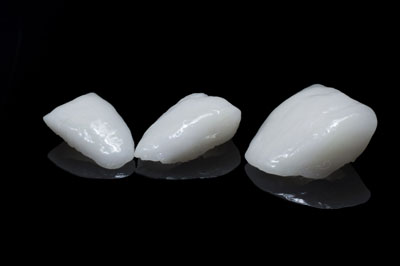
Dental veneers are an ultra-thin ceramic layer comprised of composite resin or porcelain. Veneers are bonded to the front surface of the teeth to improve the smile aesthetic. They strengthen teeth and also add to the resiliency of the structure of teeth to boot.
The Initial Veneers Appointment
If you are interested in veneers, schedule an initial consultation with the dentist to determine if you are a candidate for this oral health solution. Patients are encouraged to take photos of smiles they like or even bring in pictures from magazines. This gives the dentist an idea of the color, size, shape and other details the patient has in mind.
The dentist will examine the mouth. The dentist will take a close look at your teeth to determine if dental veneers are the appropriate oral health solution for your mouth. The dentist will also discuss whether the results you envision are possible. You might be provided with a computer generated design of how your mouth will look following the placement of veneers. The dentist will then explain the procedure and note its limitations. The dentist may take X-rays of the teeth and make impressions as well.
Once the model or impression of the mouth is made, it will be sent to a dental lab. The lab personnel create the dental veneer based on the impression. It usually takes half a month to a month's time to receive the veneers back from the lab.
The Placement of Veneers
The patient will return for a subsequent visit when the veneers are ready to be placed. He or she will be provided with local anesthesia for each tooth that is to be covered. The dentist might opt for a numbing spray to deaden nerves by those teeth. The dentist will then file away an extremely thin layer of tooth enamel, perform gum reshaping (if desired) and fit the veneers with the assistance of dental adhesive. The amount of enamel removed from the surface of the tooth is just about equal to the dental veneer thickness. Therefore, once the veneer is added, it will substitute for the enamel removed from the surface.
Once the veneers are in position, they are light-cured to guarantee the setting of the adhesive. The dentist then shapes and smooths them to prevent rough spots that have the potential to cause discomfort.
Dental Veneer Points of Note
In general, the placement of dental veneers usually takes between an hour and three hours. At least two to three trips to the dentist will be necessary. The first trip is for the initial consultation. The next two visits with the dentist are for the creation of the veneers and their subsequent placement in the mouth. One or several teeth can undergo the placement of dental veneers at the same time.
Dental veneers may be the most effective option to repair uneven, misshapen, or broken teeth. They can also help reduce gaps in the teeth. Traditional veneers come in two main types: porcelain and composite resin. While both can help you achieve that movie-star smile, they have some differences. This article will explore both porcelain and…
An assessment for dental veneers can tell your dentist if you need these restorations. Veneers are customizable and thin. Each shell can correct mild to moderate dental issues. Here are the details to know when your dentist may suggest dental veneers.Even if other dental restorations can repair these mild types of damage, dental veneers are…
Dental veneers are quick and easy restorations. These thin shells can cover the front part of the teeth. Dental damage and discoloration can go away. You can even gain more strength from this extra layer of protection. Knowing which one can fit you the most can help you decide with your dentist on consultation day.…
If you are looking to improve your smile, dental veneers may be the answer. They can be a great way to get a natural-looking smile without needing metal or tooth-colored fillings. This guide will teach you everything you need to know about dental veneers, including the types, benefits, placing process, and how to care for…