How Teeth Are Prepared for Dental Veneers
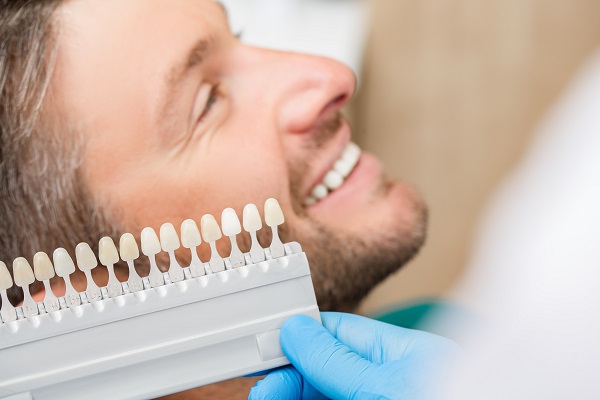
Dental veneers have multiple uses and can be a good way to restore your smile. This treatment also protects a damaged tooth from deteriorating even more. If you have a chipped, cracked, or broken tooth, this could be the right approach to having a beautiful smile you can be proud of. You can also get veneers as an alternative to teeth whitening or teeth straightening. First, it is helpful to understand the process and how the dentist gets your teeth ready for this procedure.
The advantages of getting dental veneers
Damage can occur to teeth in a few different ways. Some people accidentally bite into a hard object, breaking or chipping part of the tooth. Other people may suffer an accident or injury to the mouth, damaging one or more teeth. It is also common for damage to occur as a result of poor brushing or flossing habits. Either way, veneers can overcome these issues and revive a person’s smile.
Getting veneers is not as invasive as getting a crown. The dentist will not have to shave as much of the tooth with this method. Dental veneers are durable and strong enough to withstand biting into many types of food. Plus, veneers can last up to 10 years or more if the patient takes good care of them. A veneer is natural-looking and difficult to tell apart from a real tooth.
Reshaping the tooth
For dental veneers to fit on a damaged tooth, the dentist must first do some reshaping. The dentist will first numb the patient to make the person feel comfortable and at ease. Next, the dentist will reshape the surface of the tooth until it reaches the same thickness (or close to it) as the veneer itself. This part of the process should only take several minutes.
Trimming the enamel
After reshaping the tooth, the dentist removes a small amount of enamel. This is the outside layer of the tooth and the hardest part of it. Removing a part of the enamel makes the tooth rough. This allows for more effective bonding, helping the dental veneers securely attach to the damaged tooth. In some cases, the dentist and patient may decide that numbing the area beforehand is unnecessary. This may happen if little removal is required.
Making a model
Next, the dentist will make impressions or models of the affected tooth or teeth. The dentist may do this with a putty-type substance and then send the impression to a lab. Here, a technician makes the dental veneers according to the size, shape, and color specifications that the dentist measures. In some offices, the dentist may use 3D imaging to make the veneers in the office during this same visit.
Feeling comfortable about your treatment
Anytime you undergo a dental procedure, it is normal to feel some uncertainty and anxiety. Getting dental veneers does not have to be scary. The more you learn and understand about this process, the more at ease you can feel about it. The results can be satisfying as you enjoy your brand-new smile and appearance.
Are you considering dental veneers in the San Diego area? Get more information at https://www.missionvalleydentalarts.com/.
Check out what others are saying about our dental services on Yelp: Dental Veneers and Dental Laminates in San Diego, CA.
Related Posts
Dental veneers may be the most effective option to repair uneven, misshapen, or broken teeth. They can also help reduce gaps in the teeth. Traditional veneers come in two main types: porcelain and composite resin. While both can help you achieve that movie-star smile, they have some differences. This article will explore both porcelain and…
An assessment for dental veneers can tell your dentist if you need these restorations. Veneers are customizable and thin. Each shell can correct mild to moderate dental issues. Here are the details to know when your dentist may suggest dental veneers.Even if other dental restorations can repair these mild types of damage, dental veneers are…
Dental veneers are quick and easy restorations. These thin shells can cover the front part of the teeth. Dental damage and discoloration can go away. You can even gain more strength from this extra layer of protection. Knowing which one can fit you the most can help you decide with your dentist on consultation day.…
If you are looking to improve your smile, dental veneers may be the answer. They can be a great way to get a natural-looking smile without needing metal or tooth-colored fillings. This guide will teach you everything you need to know about dental veneers, including the types, benefits, placing process, and how to care for…